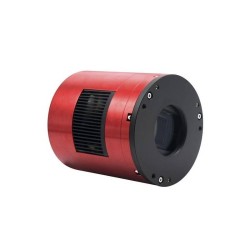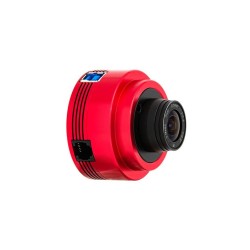


ZWO ASI 174MM Mini USB-C Mono camera, compact and perfect for planetary imaging and autoguiding with Sony IMX174 sensor.
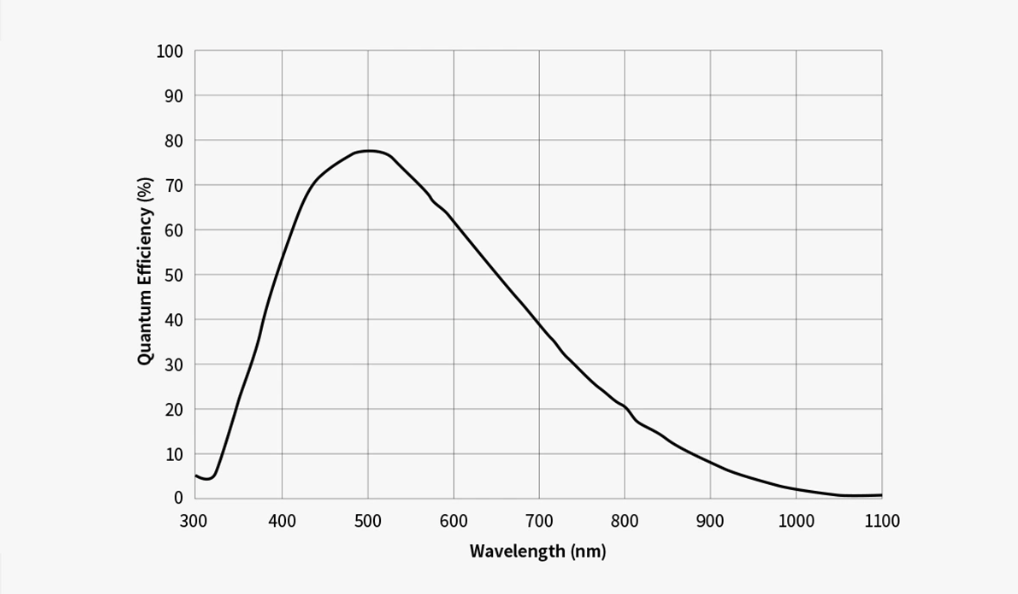
ASI174MM Mini camera integrates Sony IMX174LLJ 1/1.2″ sensor (11.3 mm x 7.1 mm). It is the first model in the “mini”-series of cameras from ZWO. This camera has 1936 x 1216 pixels with a pixel size of 5.86 μm x 5.86 μm. It camera provides 12-bit ADC and its QE peak is 77%.
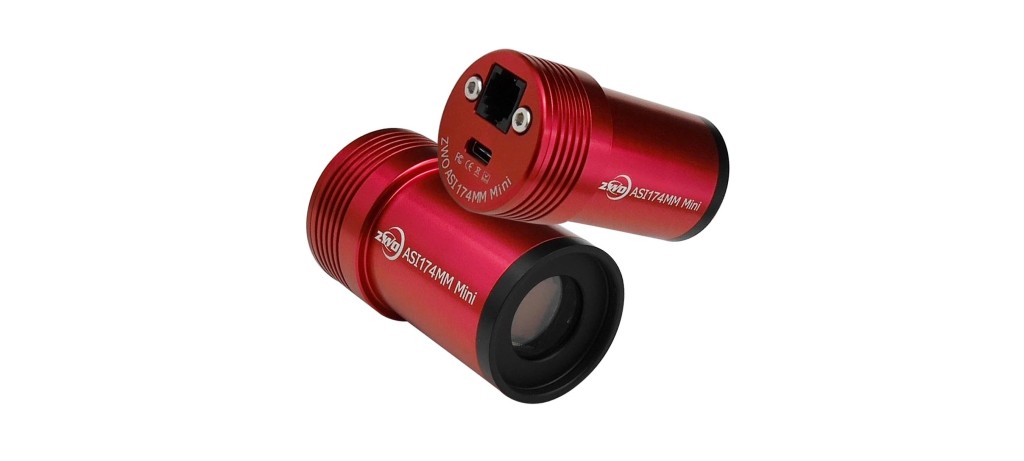
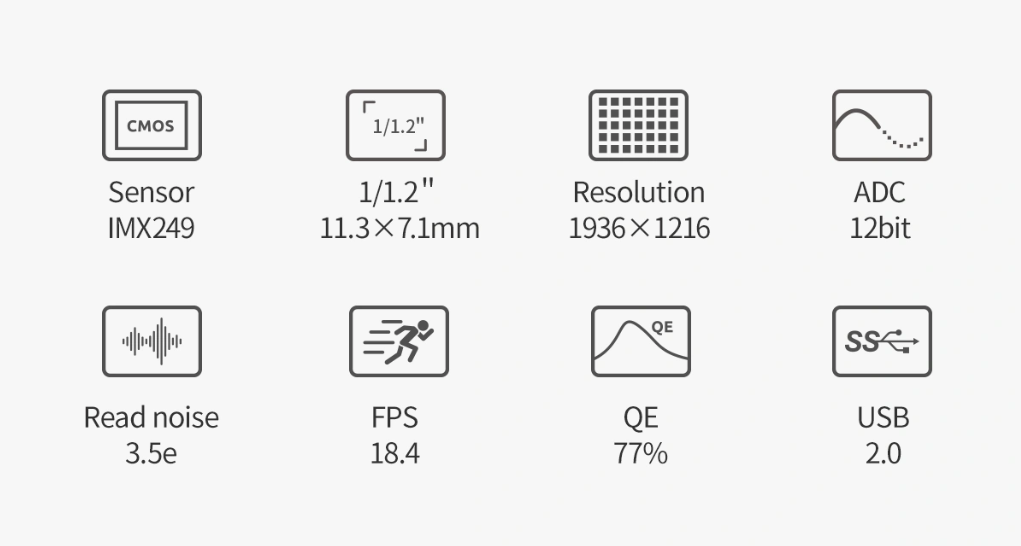
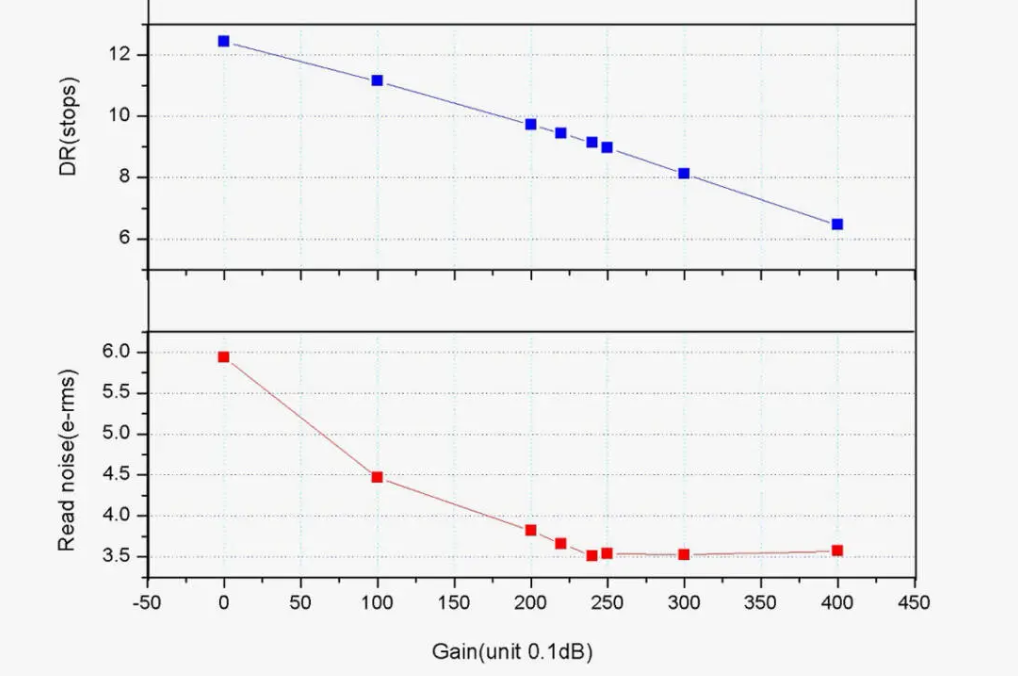
ASI174MM mini camera offers you very good performance for planetary imaging as well as for guiding. Low read noise, high dynamic range, AR protective window and much more are just some of the key characteristics that set it apart from the competition.
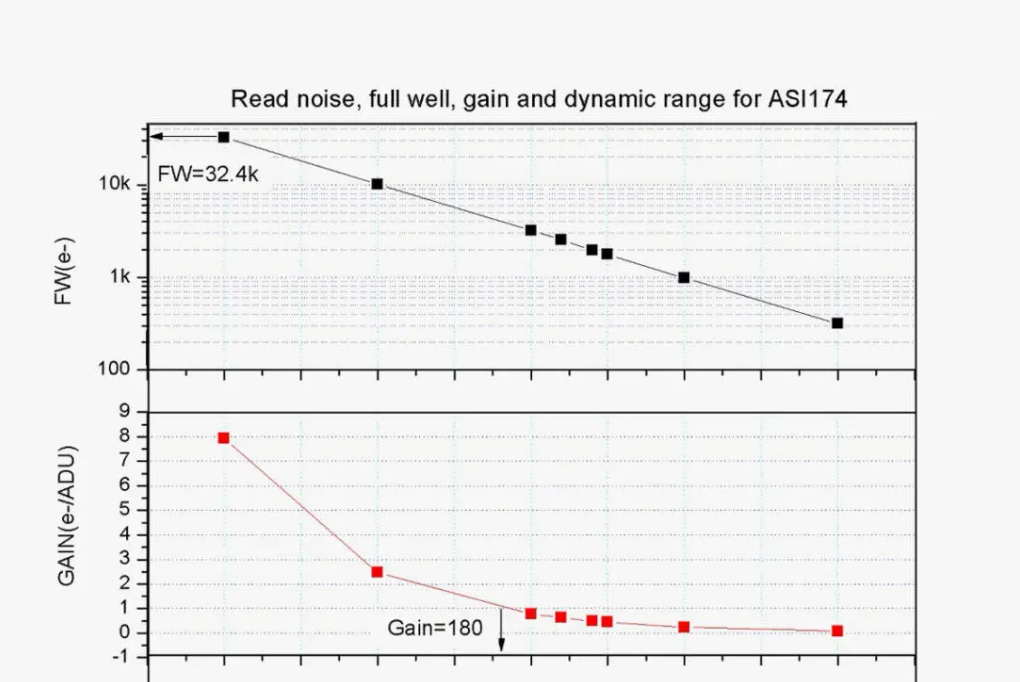
Regarding the absolute QE Curve, we estimate the Peak Value is about 77%.
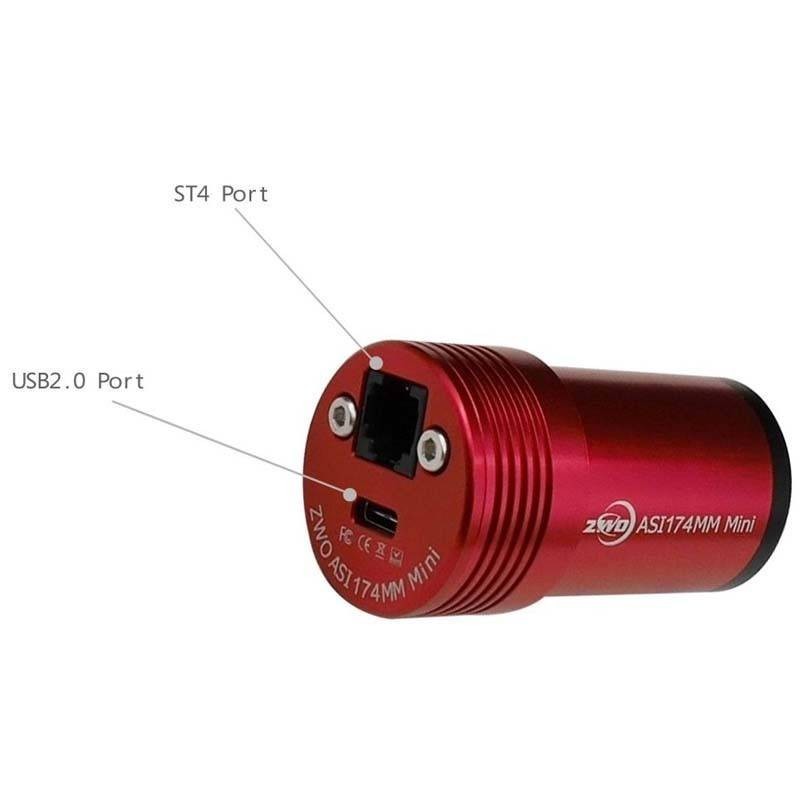
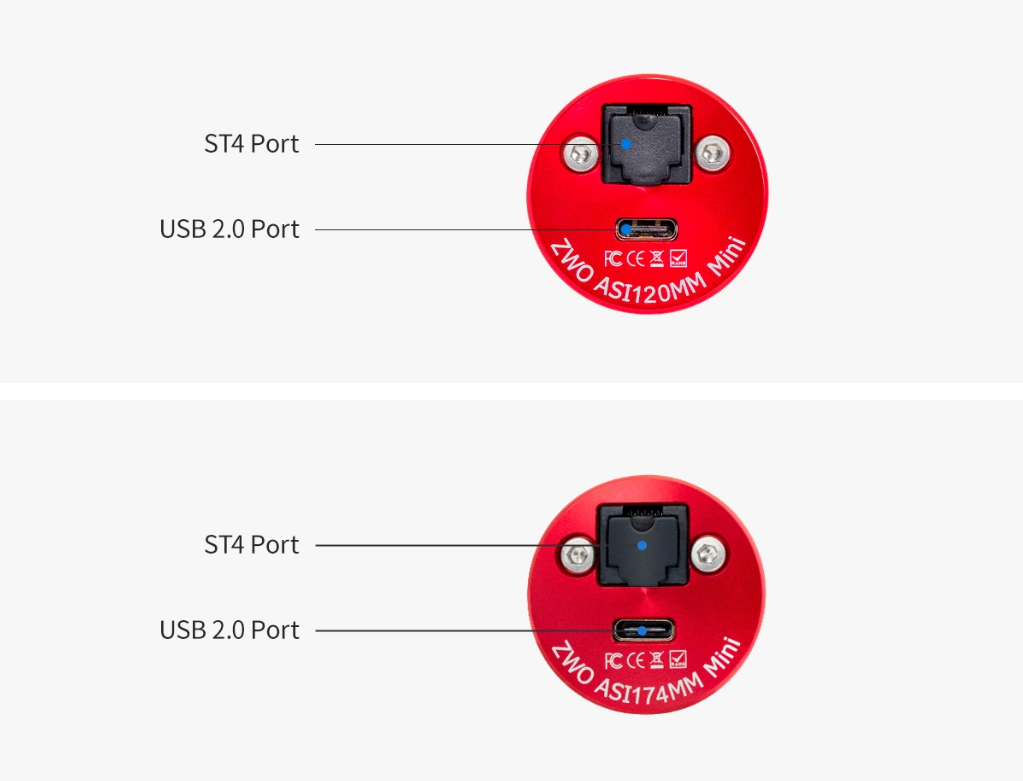
USB 2.0 Port: Mini camera has one USB2.0 type-C port. Type-C port is very popular in mobile phones, as it doesn’t matter which way you connect it (unlike for example type-A or type-B)
#USB-C to USB-A cable is required.
ST4 Port: The camera can be connected directly to the auto-guider port of the mount.
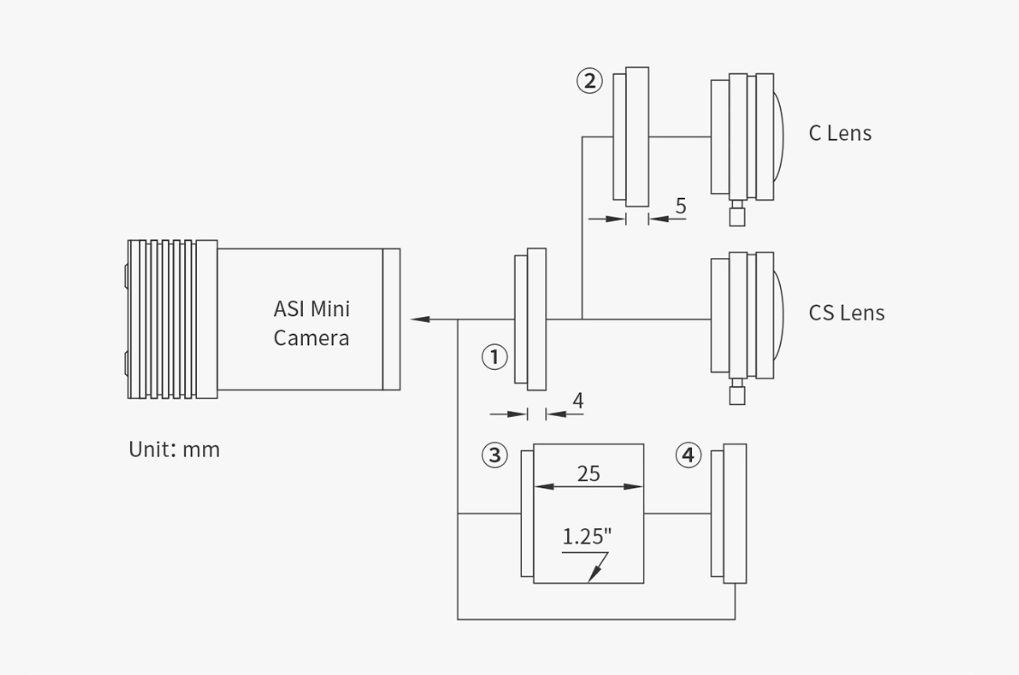

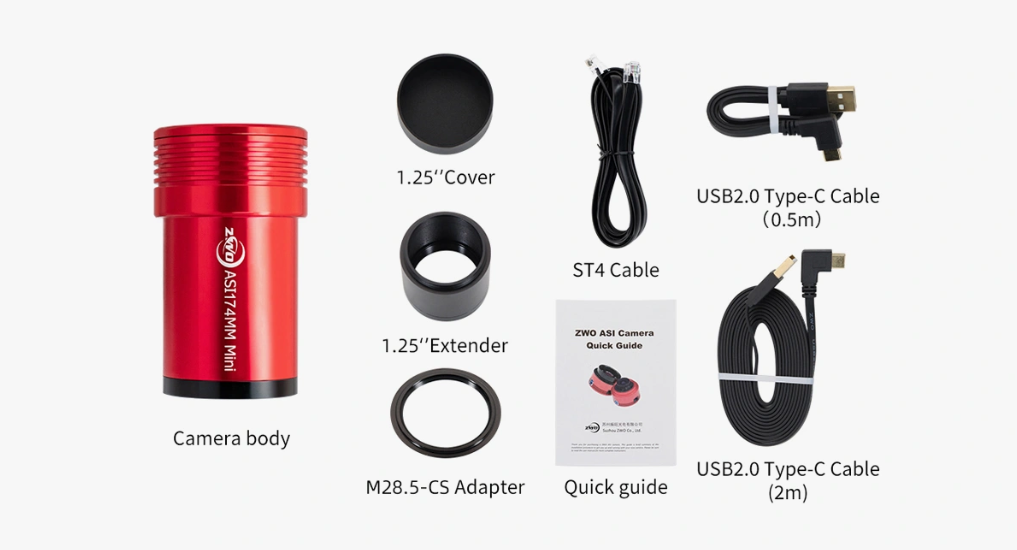
ASI mini camera box includes all necessary cables, adapters, and manual.
Our website is always updated with the most recent camera drivers as well as software for DSO and planetary imaging. Please make sure the most recent driver and software has been installed before you start shooting:
https://astronomy-imaging-camera.com/software/

ASI120, ASI174 and ASI290 mini camera have very beautiful outlooks, small size, lighter weight, this is not a big deal.
We should consider much more…
Many people might mention the size, ability to fit with different types of equipment (guide scopes, OAG etc.), stability and ease-of-use.
We agree. That is why our cameras in the “mini”-series all fulfill these, what we think are, basic characteristics of a good guide camera.
But what are truly the most important traits. Let’s face it, when you set up your equipment for a night of imaging, you just want things to work and to see that smooth graph on your guiding software before you start your imaging sequence. In order to do that, there are some things to consider (apart from the points mentioned above):
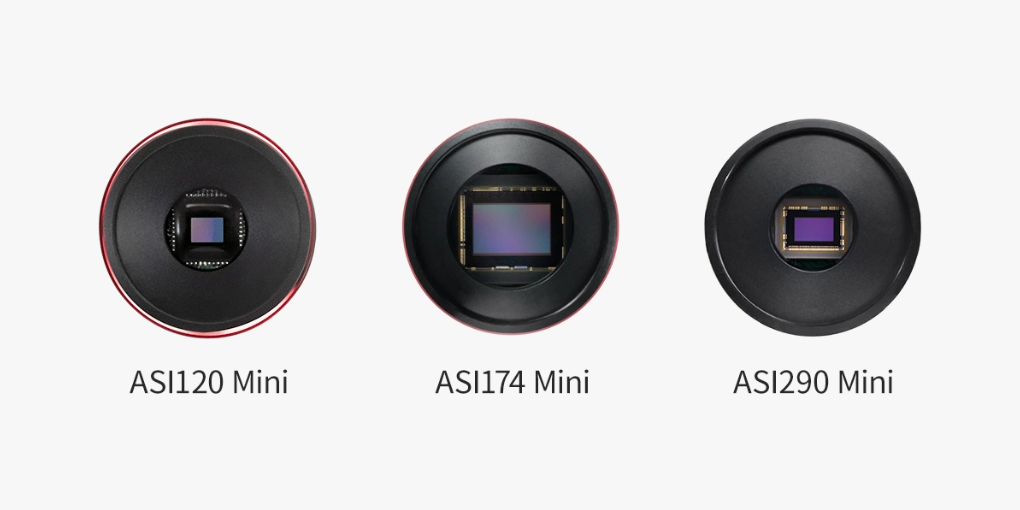
Sensitivity is the first thing we considered. This is of course a crucial ability when looking for a star to guide on. So, from the beginning, we were set on using monochrome sensors to design our guide cameras. Because monochrome sensors have much higher sensitivity than their colour counterpart. Luckily the ASI120MM Mini, ASI290MM Mini and ASI174MM Mini all have very high QE peak value – about 80%, which can detect more stars in view and shorten the exposure time in guiding.
Each of the cameras have their own strength and depending on what you value in a guide camera, one might be better for you than the others.
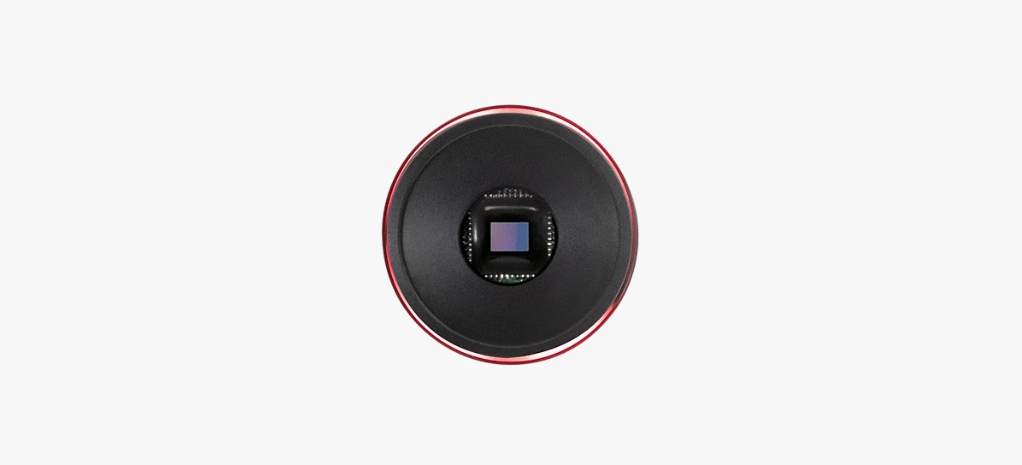 ASI120MM Mini is designed for newcomers, it is more affordable than ASI290MM Mini and ASI174MM Mini. You can easily get the well-sampled stars with the help of ASI120MM Mini. It’s light, compact and robust. If you are still wondering about which one you should choose as your first guide camera, the ASI120MM Mini is a very good choice.
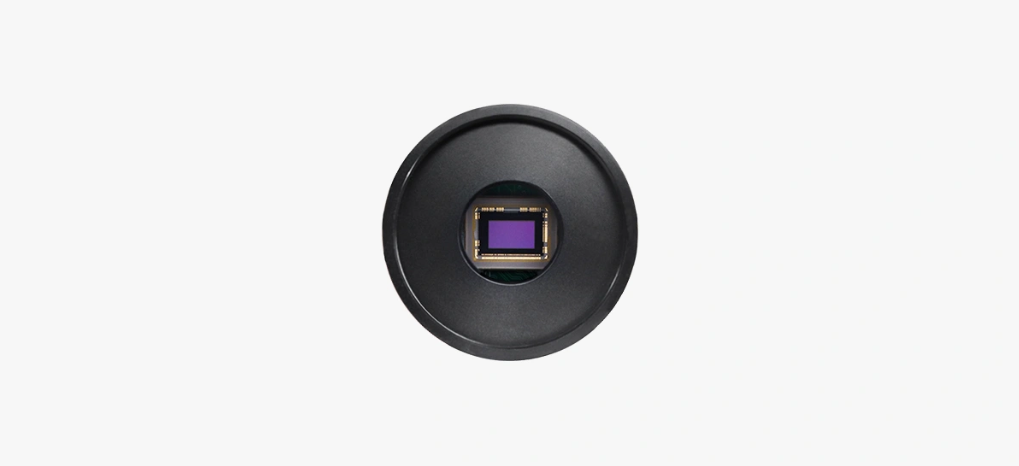
ASI290MM Mini is designed for precise guiding. The 2.9um pixel size gives you a higher arcsec/pixel than the ASI224 or ASI120 camera. This means that, in the same guide scope, the ASI290MM Mini can detect movement of stars to a higher degree than the other cameras. ASI290MM Mini will improve your guiding precision with around 30% compared to the ASI120MM Mini.
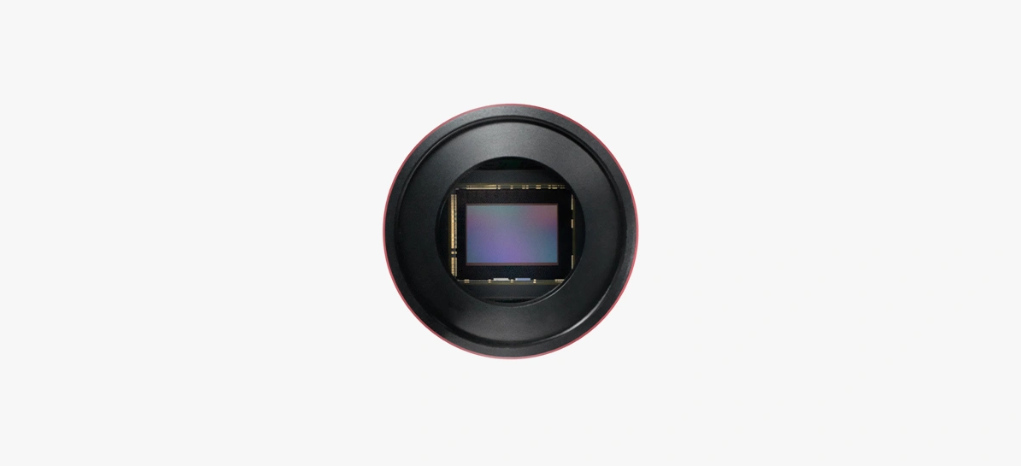
ASI174MM Mini is designed for large field-of-view guiding. This is very useful when looking for a star to guide on, using an OAG. When you use an OAG-guider with a Ritchey-Chretien or Schmit-Cassegrain telescope, the hardest part is to find a suitable guide star. ASI174MM Mini has a larger1/1.2″ sensor which means your FoV is 4 times than that of the ASI120MM Mini.
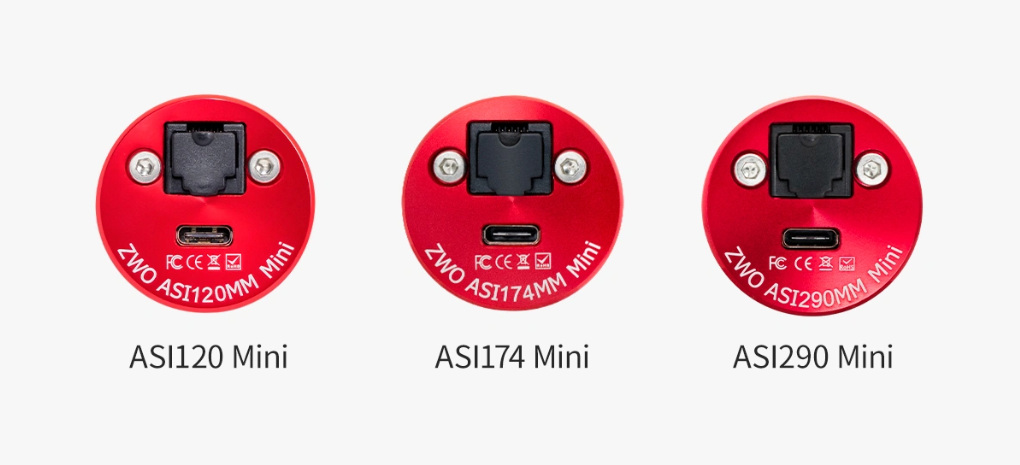
If you squint your eyes, the back of the ASI mini-camera looks like a smiling face (albeit you have to squint quite hard). On the back you will find a type-C USB port, which is widely used in mobile phones. The ST4-port is used for auto-guiding on mounts. So if you are having one of those observing nights when Murphy’s law is by your side, at least you’ll have an excellent guide camera (that smiles at you).
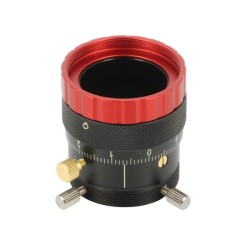
ASI mini camera can focus at the same position as an eyepiece. This means that you can focus with an eyepiece, and then directly insert the ASI mini camera into 1.25″ holder – focus done!
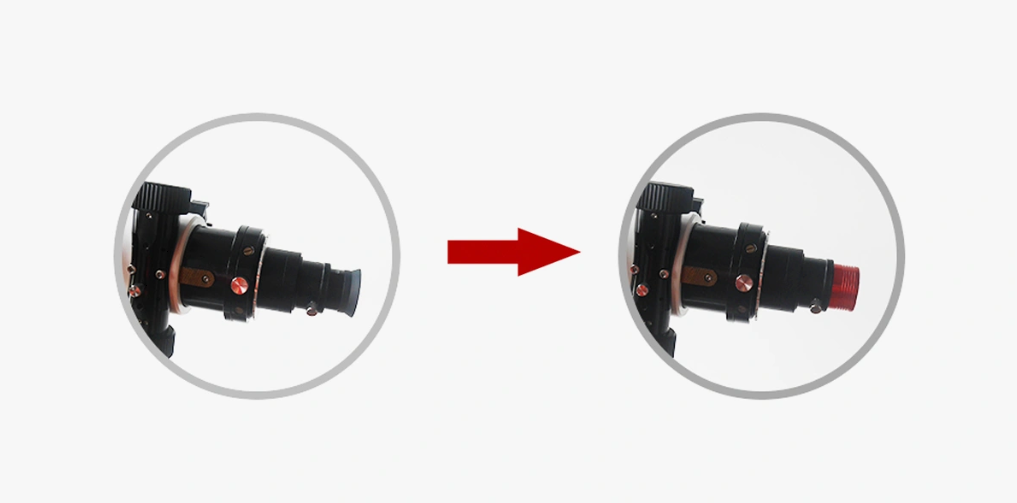
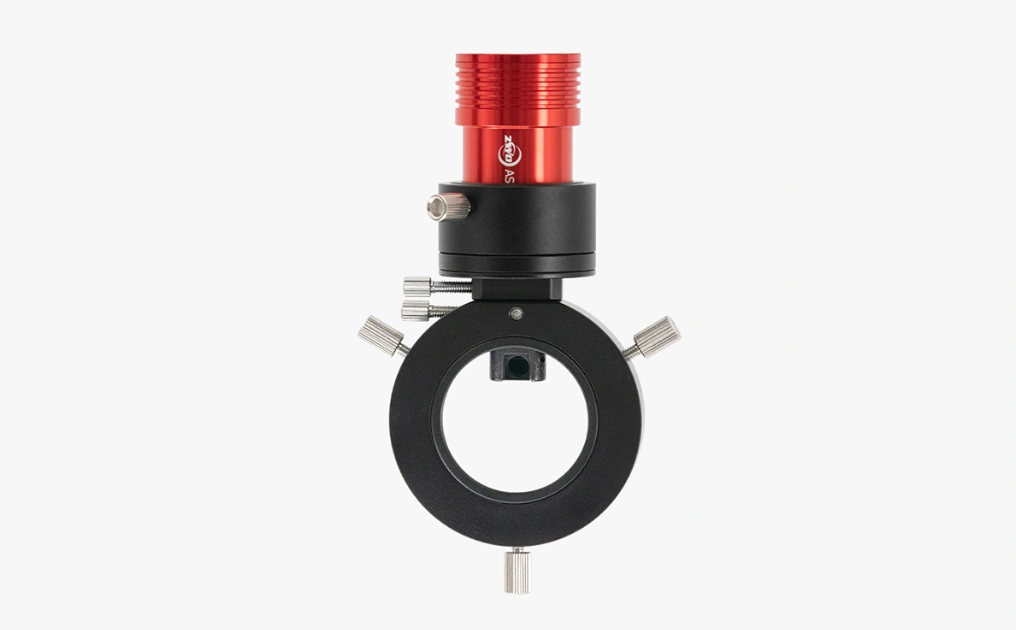
The Mini-camera series are well suited for OAG use: They have a much bigger focus range than normal ASI cameras. No more worrying about your guide camera and main camera not being able to find focus at the same time.
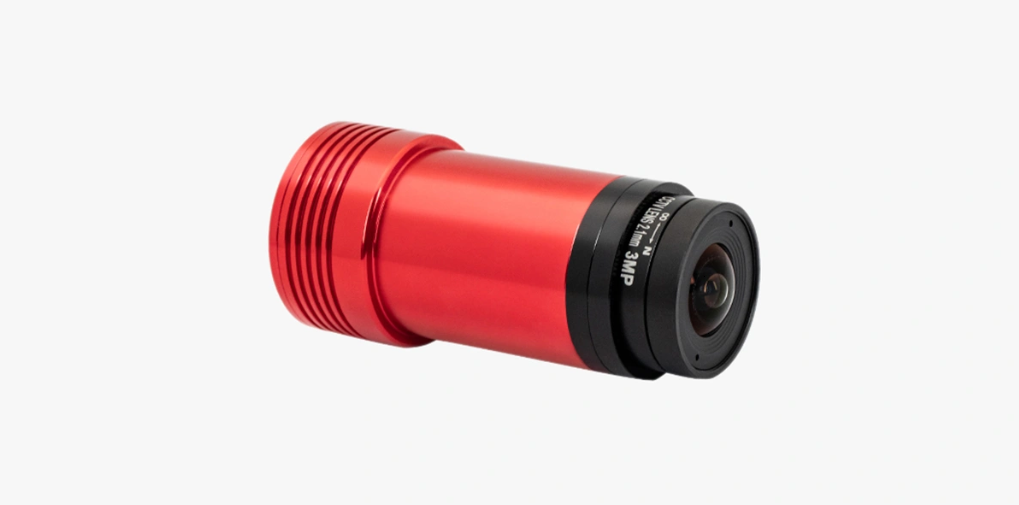
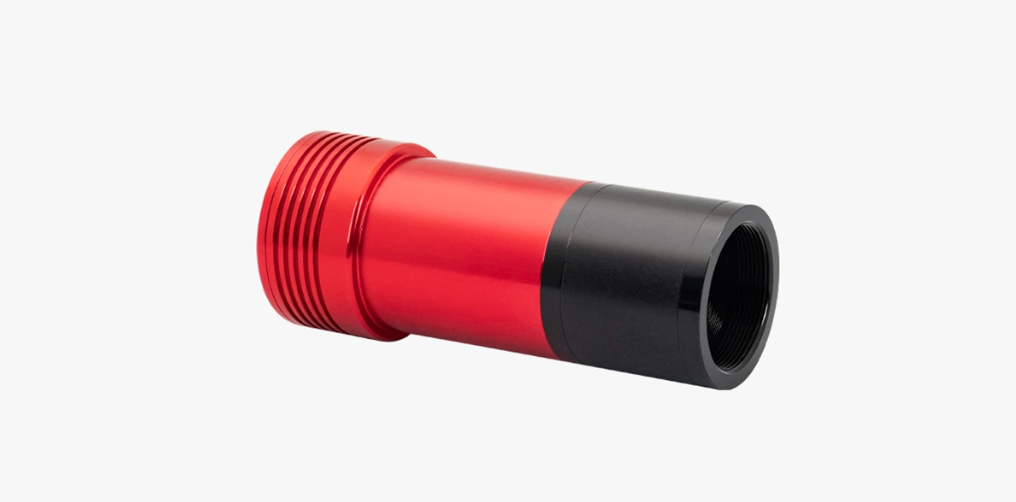
| Sensor | 1/1.2″ CMOS IMX174LLJ / IMX174LQJ |
| Resolution | 2.3Mega Pixels 1936×1216 |
| Pixel Size | 5.86µm |
| Exposure Range | 32µs-300s |
| ROI | Supported |
| Interface | USB3.0/USB2.0 |
| Bit rate | 12bit output(12bit ADC) |
| Adaptor | 1.25" / M28.5X0.6 |
| Dimension | φ36mm X 61mm |
| Weight | 60g |
| Working Temperature | -5°C—45°C |
| Storage Temperature | -20°C—60°C |
| Working Relative Humidity | 20%—80% |
| Storage Relative Humidity | 20%—95% |

Specific References
ZWO ASI 174MM Mini USB-C Mono camera, compact and perfect for planetary imaging and autoguiding with Sony IMX174 sensor.